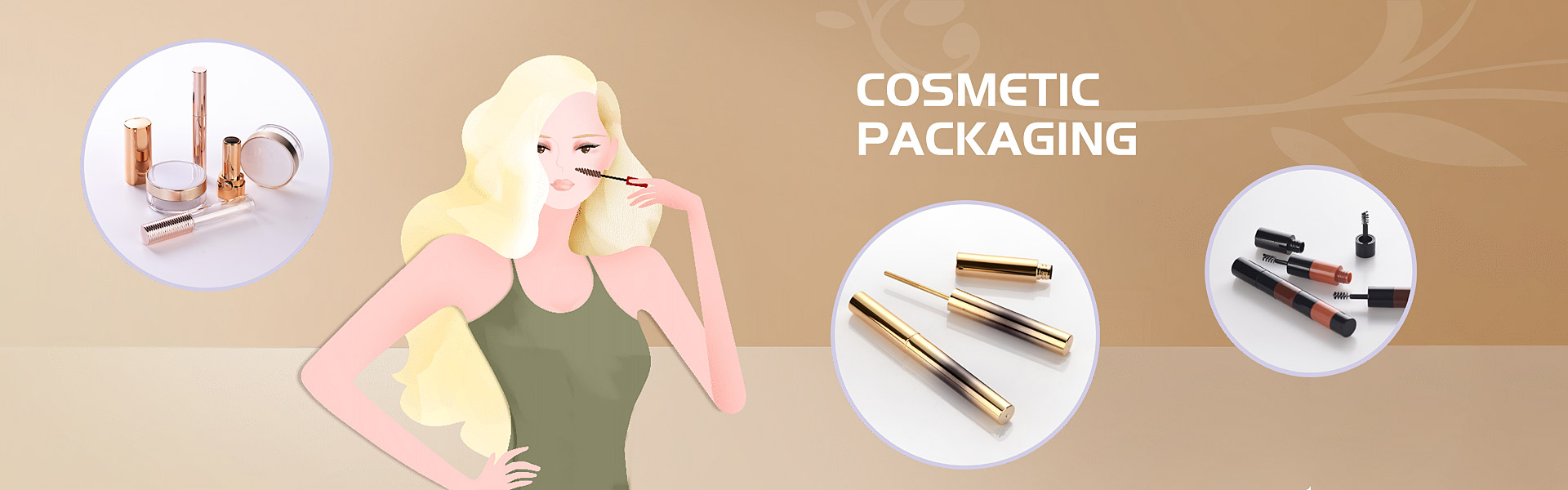
Choosing a cosmetic packaging manufacturer to collaborate with is a process that requires careful consideration. Here are some key steps and precautions to help you make informed decisions:
Clarify requirements and positioning
1. Understanding product characteristics: Firstly, you need to clarify the characteristics of your cosmetics, such as ingredients, texture, shelf life, etc., in order to choose the appropriate packaging material type.
2. Determine market positioning: Based on the product's market positioning and target consumer group, choose packaging styles and designs that match the brand image and consumer preferences.
Search for potential cooperative manufacturers
1. Online search: Use search engines such as Baidu and 1688 to enter keywords such as "cosmetic packaging material manufacturers" and "cosmetic packaging suppliers" to obtain information on potential cooperative manufacturers.
2. Industry exhibitions: Participate in exhibitions in the cosmetics or packaging industry, directly communicate with manufacturers face-to-face, and learn about product and technical strength.
3. Recommendation and reputation: Consult with peers or industry professionals to learn about the packaging material manufacturers they recommend and their cooperation experience.
Evaluate the strength and qualifications of manufacturers
1. Production capacity and equipment: Investigate the manufacturer's production scale, production equipment, and technical level to ensure that they can meet your production needs and quality requirements.
2. Qualification certification: Check whether the manufacturer has relevant industry qualifications and certifications, such as ISO quality management system certification, environmental certification, etc.
3. Cases and Experience: Understand the manufacturer's past cooperation cases and customer evaluations, especially those similar to your product type, to evaluate their professionalism and service quality.
Sample testing and quality control
1. Sample production: The manufacturer is required to provide samples for testing, including inspection of appearance, structure, functionality, and other aspects.
2. Quality testing: Conduct quality testing on the samples to ensure that they meet national and industry safety and hygiene standards as well as your quality requirements.
3. Cost control: On the premise of ensuring quality, negotiate reasonable prices with manufacturers to ensure that costs are controlled within an acceptable range.
Contract terms and after-sales service
1. Contract terms: When signing the contract, clarify the rights and obligations of both parties, including product specifications, quantity, price, delivery time, after-sales service, etc.
2. Intellectual Property: Ensure that your brand, design, and other intellectual property rights are protected to avoid infringement disputes.
3. After sales service: Understand the manufacturer's after-sales service policies and processes to ensure timely resolution of any issues encountered during cooperation.
Continuous communication and evaluation
1. Regular communication: Maintain regular communication with the manufacturer to understand the production progress and problems encountered, and negotiate and solve them in a timely manner.
2. Evaluation and feedback: Evaluate and provide feedback on the performance during the cooperation process, so that both parties can continuously improve their cooperation methods and enhance cooperation efficiency.
In summary, choosing a cosmetic packaging manufacturer for cooperation requires comprehensive consideration of multiple factors, including manufacturer strength, product quality, price, after-sales service, etc. Through comprehensive evaluation and comparison, select the most suitable partner for your needs to ensure the quality and market competitiveness of cosmetic products.
Copyright : Shantou beautypack Plastic co.,ltd.
粤ICP备17162220号