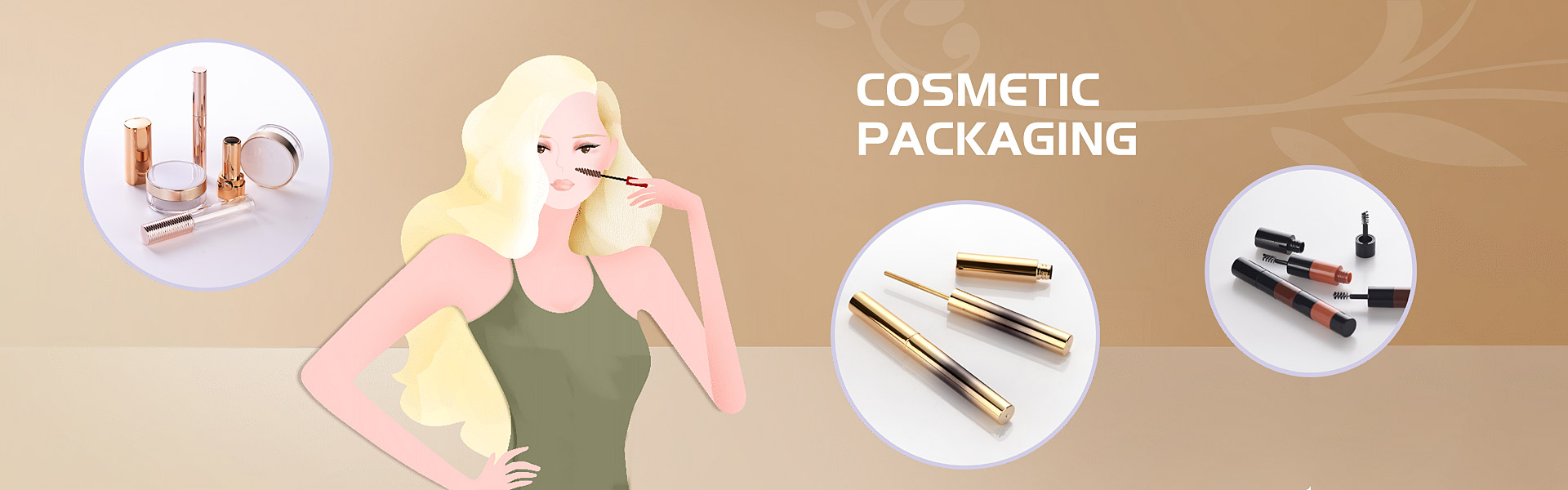
Customization of cosmetic packaging materials is a comprehensive process that requires consideration of multiple aspects to ensure that the packaging materials meet the characteristics of the product and market demand, while enhancing the overall quality and user experience of the product. Here are some key points to note when customizing cosmetic packaging materials:
Clarify product features and requirements
1. Product properties: Understand the physical and chemical properties of the product, such as whether it contains volatile, oxidizing, or perishable components, in order to select suitable packaging materials and structures.
2. Product positioning: Clarify the market positioning and target consumer group of the product to determine the grade, style, and design elements of the packaging materials.
Choose appropriate packaging materials
1. Material types: Common materials for cosmetic packaging include plastics (such as ABS, PP, PMMA, etc.), glass, metal, and ceramics. Each material has its unique advantages and disadvantages, which need to be selected based on product characteristics and requirements.
2. Plastic: Low cost, lightweight, easy to process and shape, but attention should be paid to high temperature resistance and UV resistance.
3. Glass: transparent, beautiful, durable, but fragile and costly.
4. Metal: High end and durable, but prone to discoloration due to environmental factors.
5. Ceramics: High end and durable, but expensive and fragile.
6. Material safety: Ensure that the selected materials are non-toxic, odorless, corrosion-resistant, heat-resistant, and comply with relevant national regulations and standards, such as food contact material safety standards.
Pay attention to the structural design of packaging materials
1. Sealing: Design a reasonable sealing structure to prevent the intrusion of substances such as moisture and oxygen, ensuring the quality and safety of the product.
2. Convenience: Considering the user's access and carrying needs, design a lid that is easy to open and close, as well as an ergonomic grip part.
3. Stability: Ensure that the packaging material remains stable during transportation and use, and is not easily deformed or broken.
Pay attention to the appearance and quality of packaging materials
1. Appearance design: Based on product positioning and brand image, design a unique and attractive appearance to enhance the overall grade and attractiveness of the product.
2. Printing effect: Choose the appropriate printing process and ink to ensure that the printed patterns and text are clear, beautiful, and not easily peeled off.
3. Quality requirements: Strictly control the quality of packaging materials to ensure smooth edges without burrs, defects, and cracks, and to enhance the user experience.
Consider environmental friendliness and sustainability
1. Environmentally friendly materials: Prioritize the use of recyclable and biodegradable materials to reduce environmental impact and resource waste.
2. Simplify packaging: Avoid excessive packaging and waste, adopt a simple and practical packaging design.
Work closely with suppliers
1. Choose reliable suppliers: Choose packaging suppliers with rich experience and good reputation to ensure the quality and delivery time of packaging materials.
2. Adequate communication: Fully communicate with suppliers about product characteristics and requirements, and jointly determine the materials, structure, and design scheme of packaging materials.
3. Follow up on production progress: Regularly monitor the production progress and quality of packaging materials to ensure timely delivery and meet quality requirements.
Pay attention to regulations and compliance
1. Understand regulatory requirements: Understand and comply with relevant national regulations and standards, such as safety requirements for cosmetic packaging materials.
2. Labels and instructions: Ensure that the content of the labels and instructions on the packaging materials is accurate, clear, and complete, in compliance with regulatory requirements.
In summary, customization of cosmetic packaging materials requires comprehensive consideration of product characteristics and requirements, packaging materials, structural design, appearance quality, environmental friendliness, cooperation with suppliers, and regulatory compliance. By carefully designing and strictly controlling each step, we can customize cosmetic packaging materials that meet market demand and user expectations.
Copyright : Shantou beautypack Plastic co.,ltd.
粤ICP备17162220号